
Actions and Effects
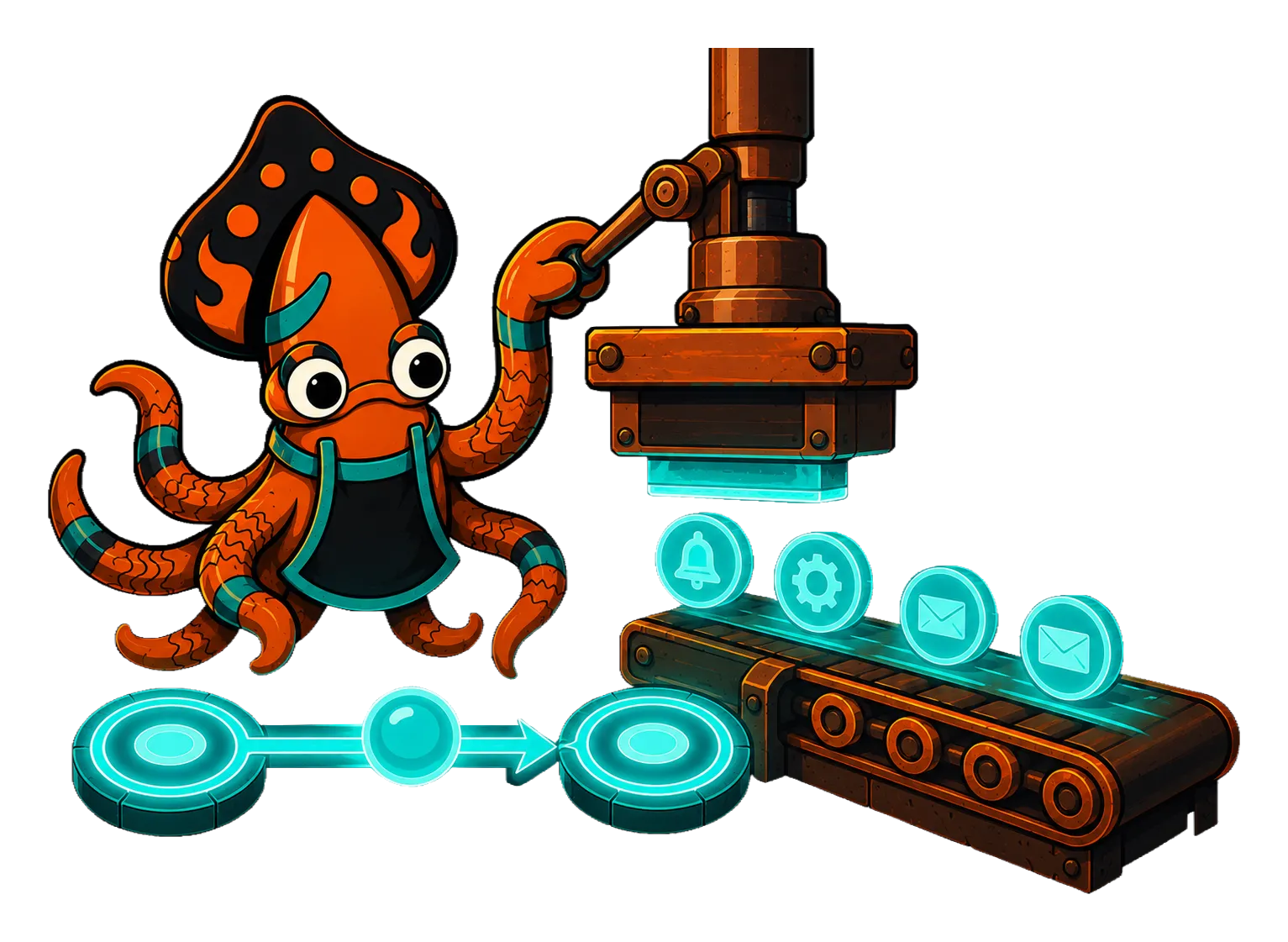
An action describes something the outside world should do: send an email, charge a card, emit a metric. Attach one with Do, naming an ActionFn registered on the machine. Multiple Do calls run in declared order:
Transition(EnRoute).On(DroppedOff). Do("notifyCustomer"). Do("emitDeliveredMetric"). GoTo(Settling).Assign("recordDrop")An action is a pure function from context to an effect value:
type ActionFn[C any] func(ctx state.ActionCtx[C]) (state.Effect, error)
func notifyCustomer(ctx state.ActionCtx[Order]) (state.Effect, error) {    return SendSMS{To: ctx.Entity.Phone, Body: "Delivered!"}, nil}
The crucial discipline: the kernel performs no IO. An action returns an Effect (plain data) and the kernel collects every effect into the FireResult. Your host loop reads that slice and dispatches the real work. This keeps Fire deterministic and pure: the same context and event always yield the same effects, which is what makes the engine testable, replayable, and safe to run anywhere.
stateDiagram-v2
    direction LR
    EnRoute --> Settling : DroppedOff / Do(notify) Do(metric)
    note right of Settling
        FireResult.Effects = [SendSMS, Metric]
        host dispatches; kernel stays pure
    end note
Contrast this with an assign. An assign rewrites the machine’s own context (the next state of your data). An action emits a request for the world to change. A transition often does both, folding the new totals into context with Assign and asking the host to notify the customer with Do, but they never blur: assigns mutate context, effects describe IO, and only the host acts on the latter.